The Road to Faster Fulfillment: How Decoupled Human-Robot Workflows Transform Warehouse Speed
BY ONWARD ROBOTICS | April 3, 2025
The fastest way to improve warehouse fulfillment is to reduce the time workers and inventory spend moving through the warehouse. Warehouse automation, particularly autonomous mobile robots (AMRs), can improve fulfillment speed by reducing travel time, streamlining order picking, eliminating bottlenecks, and increasing warehouse throughput. By decoupling human and robot workflows, robots can handle repetitive material movement while workers focus on picking, decision-making, and higher-value tasks. The result is a faster, more flexible fulfillment operation without requiring a completely redesigned warehouse.
The race for speed and precision in fulfillment has never been more intense. As e-commerce booms and supply chains stretch across the globe, businesses are under relentless pressure to deliver faster, with near-perfect accuracy. From automotive parts to medical devices and everyday essentials like shampoo, consumers expect instant gratification—placing immense demands on warehouse operations, order fulfillment, and distribution centers.
To stay ahead, companies are reimagining fulfillment through cutting-edge warehouse robotics and automation, transforming traditional warehouse processes into seamless, technology-driven ecosystems that meet the demands of modern commerce and improve overall warehouse throughput.
Redefining Efficiency in Order Fulfillment
Fulfilling each order quickly and accurately is essential for businesses looking to maintain customer satisfaction and optimize supply chain operations. Person-to-goods order picking automation has emerged as a leading strategy for improving warehouse efficiency by reducing travel time and the time human workers spend retrieving and moving inventory.
Instead of relying on manual, labor-intensive workflows, companies are adopting hybrid models that combine human oversight with automated systems, improving order processing and reducing order processing time. These improvements directly impact warehouse productivity, operational efficiency, and overall warehouse performance.
Moreover, as supply chains face increasing volatility, flexible, infrastructure-free warehouse automation systems are becoming a critical asset. Fluctuating demand, seasonal spikes, and the rise of same-day or next-day delivery expectations require better capacity planning and tighter control of inventory levels. Businesses that fail to optimize order cycle time risk falling behind competitors that leverage automation to improve inventory turnover and fulfillment speed.
The future of fulfillment isn’t just about being fast; it’s about being agile, adaptive, and rand aligned with modern warehouse management strategies.
The Need for High-Capacity AMRs
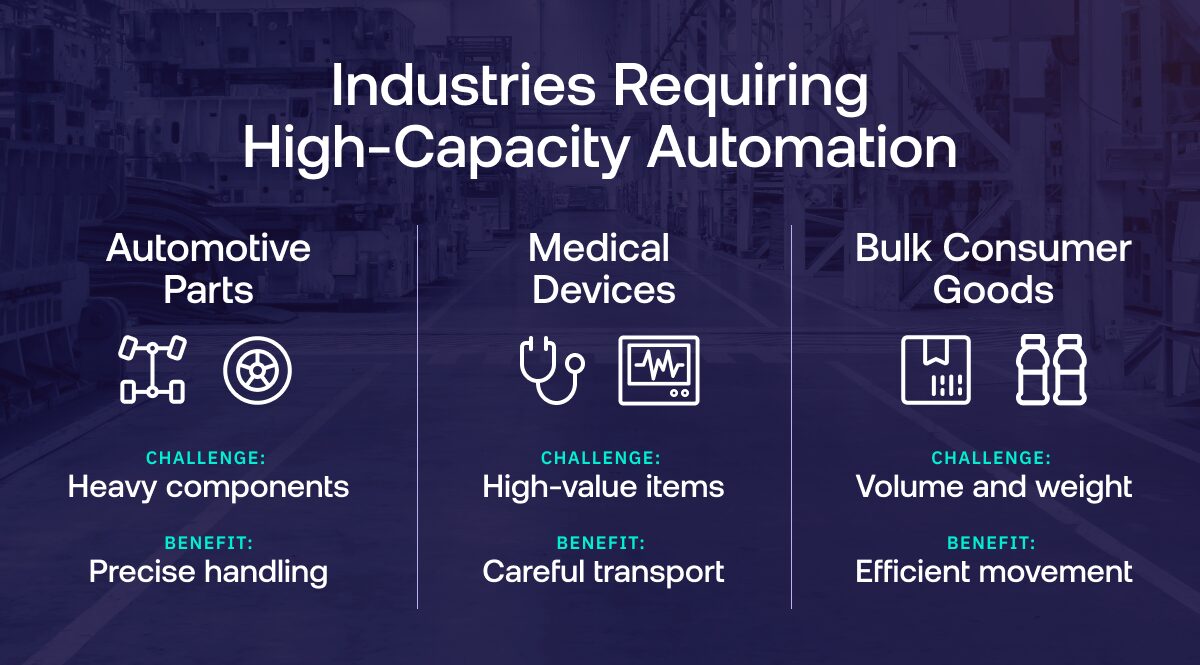
Industries handling large or high-value products—such as automotive parts, medical devices, and bulk consumer goods—face unique challenges in fulfillment. These environments require careful warehouse layout planning and efficient use of available warehouse space to support high-throughput operations.
The demand for higher-capacity autonomous mobile robots (AMRs) has grown as businesses seek to transport heavier payloads more efficiently while maintaining warehouse efficiency and improving inventory accuracy.
With innovative solutions like Lumabot, powered by Pyxis, and Meet Me automation, Onward Robotics is helping organizations modernize their warehouse management systems and elevate warehouse performance.
Labor Shortages and the Role of Human Robot Collaboration
A growing challenge across industries is the persistent labor shortage affecting supply chain operations. Recruiting and retaining warehouse staff has become increasingly difficult, increasing labor costs and putting pressure on businesses to maintain output.
Human-robot collaboration (HRC) offers a viable solution by combining human decision-making and adaptability with robotic precision. Robots can take on repetitive tasks such as transporting goods or working alongside conveyor belts, while human workers focus on higher-value activities.
This approach helps reduce bottlenecks, improve order processing, and enhance overall warehouse productivity. It also plays a critical role in change management, as organizations transition from manual workflows to more automated environments.
The Future of Fulfillment is Automated
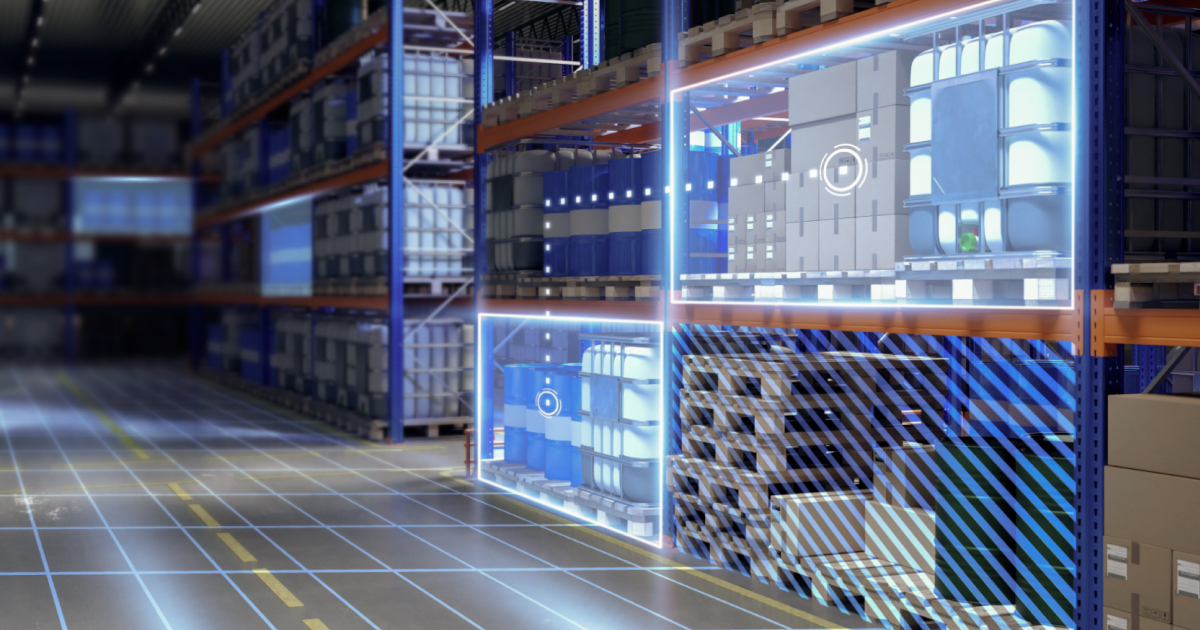
Automation is transforming order fulfillment, making warehouse processes faster, smarter, and more efficient. From robotic picking systems to AI-driven inventory management, businesses are leveraging technology to optimize warehouse operations and improve visibility into inventory levels.
Modern fulfillment centers focus on improving metrics such as perfect order rate, reducing errors, and enhancing delivery speed. These improvements drive better customer satisfaction while also increasing inventory turnover.
As machine learning and computer vision continue to evolve, companies are adopting best practices to improve warehouse performance and ensure long-term scalability.
How Onward Robotics Supports Faster Fulfillment
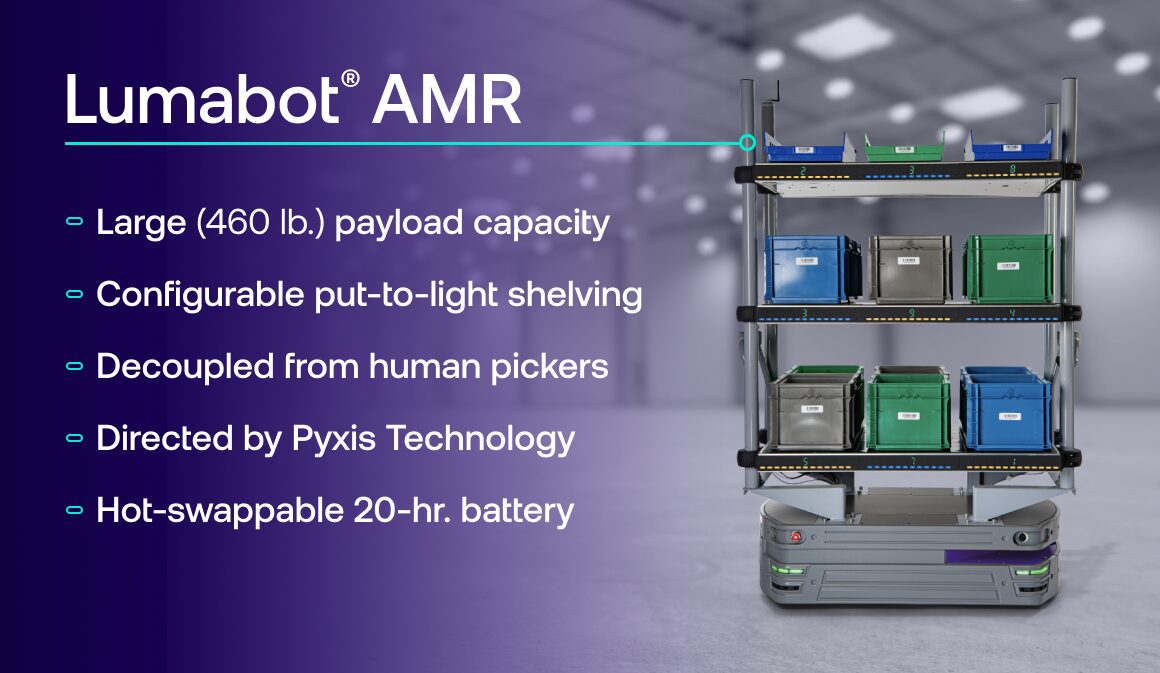
As businesses seek automation solutions that align with their operational needs, Onward Robotics offers cutting-edge technology designed to streamline fulfillment workflows. Onward Robotics’ solutions optimize warehouse throughput by improving warehouse efficiency and reducing inefficiencies across warehouse processes.
With a 460 lb. capacity and up to five configurable shelves, Lumabot is built to support better capacity planning, reduce travel time, and improve overall warehouse productivity.
Unlike traditional systems that rely heavily on fixed infrastructure, this approach enhances flexibility and reduces reliance on manual labor, helping businesses lower labor costs while improving operational efficiency.
This method reduces bottlenecks, enhances throughput, improves order cycle time, and ensures smoother order processing time—all critical to achieving faster fulfillment.
By leveraging intelligent robotic solutions, businesses can improve fulfillment speed, enhance worker productivity, and maintain high levels of inventory accuracy. As supply chain challenges evolve, companies that implement scalable automation today will be better equipped to manage growth, optimize warehouse operations, and sustain long-term success.
Frequently Asked Questions About Warehouse Throughput and Fulfillment Optimization
Warehouse throughput refers to the rate at which goods move through a facility—from receiving to storage to order fulfillment. High throughput is critical for meeting customer expectations, reducing delays, and improving overall warehouse performance.
Warehouse automation, including AMRs and other automated systems, reduces manual handling, minimizes errors, and streamlines warehouse processes. This leads to faster order processing, improved operational efficiency, and increased warehouse productivity.
Order picking is one of the most time-consuming parts of fulfillment and has a major impact on order cycle time. Optimizing order picking workflows can reduce travel time, eliminate bottlenecks, and significantly improve warehouse efficiency.
Autonomous mobile robots (AMRs) support warehouse operations by transporting goods, assisting with material handling, and enabling more efficient workflows. They help reduce reliance on manual labor, lower labor costs, and improve overall warehouse throughput.
Bottlenecks often occur in the picking, packing, or order-processing stages. By redesigning the warehouse layout, implementing automated systems, and improving coordination between workers and robots, businesses can eliminate delays and improve flow.
Effective inventory management ensures accurate inventory levels and reduces delays and errors. This leads to faster fulfillment, better order processing time, and improved customer satisfaction.
Some key best practices include optimizing warehouse layout, reducing unnecessary travel time, implementing automation, and continuously monitoring KPIs like perfect order rate and inventory turnover to improve warehouse performance.
Planning for growth requires strong capacity planning, scalable automation, and flexible workflows. Businesses that invest in warehouse automation and efficient warehouse management systems are better equipped to handle demand spikes.

 Glossary
 Blog
Blog