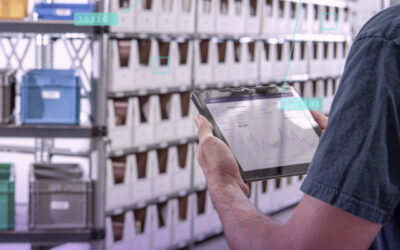
Tackling the Labor Shortage with Robot-Human Collaboration in Warehousing and Distribution Centers
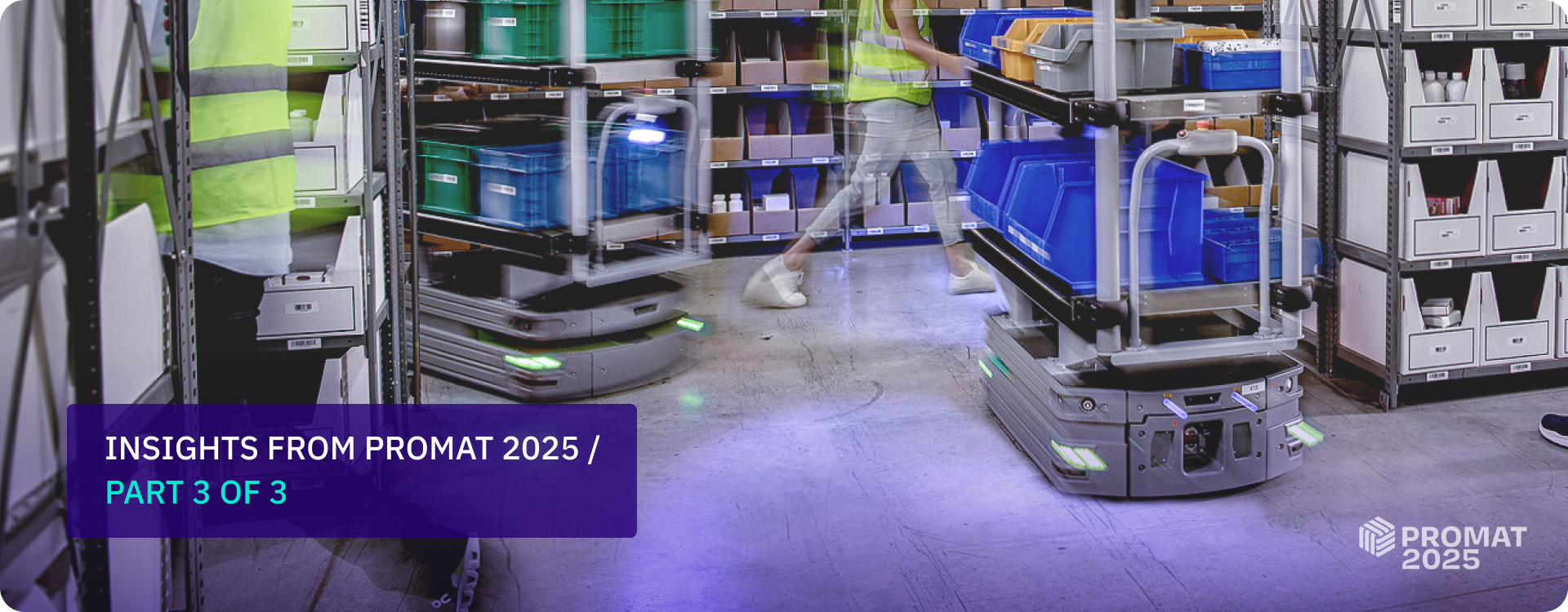
BY ONWARD ROBOTICS | APRIL 10, 2025
What is robot-human collaboration in warehousing, and how does it actually work?
Robot-human collaboration in warehousing is the use of robots and warehouse workers together, with robots handling repetitive, physically demanding, or movement-intensive tasks while people focus on tasks requiring judgment, problem-solving, and flexibility. Unlike fully automated warehouses, collaborative systems are designed to support workers rather than replace them, helping improve productivity, safety, and operational efficiency.
- Robots handle: transporting goods, repetitive movement, picking assistance, pallet movement
- People handle: decision-making, exception handling, quality control, complex tasks
- The result: faster workflows, less physical strain, and a more flexible warehouse operation
The warehousing and distribution industries are experiencing a significant shift. As e-commerce continues to surge, the demand for faster, more accurate fulfillment grows—but the labor force required to meet these demands is dwindling. The labor shortage has become a persistent challenge for many businesses in the sector, leading to increased hiring difficulties, higher labor costs, and reduced efficiency.
In response to these challenges, human-robot collaboration is emerging as a transformative solution that not only alleviates labor shortages but also enhances operational efficiency, accuracy, and safety within warehouses and distribution centers. Modern robotic automation combined with advanced artificial intelligence is enabling businesses to rethink how humans and machines work together to complete different tasks across fulfillment environments.
Why The Labor Shortage is a Major Concern for Warehousing and Distribution
The labor shortage has been a growing concern across industries, but its impact is particularly pronounced in the warehousing and distribution sector. The demands of e-commerce, including rapid delivery times and the increasing volume of orders, are pushing warehouses and distribution centers to their limits. Yet, attracting and retaining workers in an environment that often involves physically demanding material handling, long hours, and high turnover rates has become increasingly difficult.
Some of the key challenges related to the labor shortage include:
Higher Labor Costs
With fewer workers available, wages are rising, making labor a more expensive part of operations.
Decreased Productivity
With a limited workforce, businesses struggle to maintain the same level of productivity and meet customer expectations for speed and accuracy.
Increased Pressure on Workers
The reduced workforce places greater pressure on employees to meet output goals, potentially leading to burnout, injuries, and safety risks that impact overall workplace safety.
Seasonal Volatility Challenges
With limited workforce availability, warehouses struggle to scale operations during peak season. This inability to quickly adjust staffing can lead to missed SLAs and deteriorating customer satisfaction.
The Role of Robot-Human Collaboration in Overcoming Labor Shortages
Human-robot interaction is a game-changer in the warehousing and distribution industry. Rather than replacing human operators, modern collaborative robots like Lumabot are designed to assist and enhance human capabilities, allowing them to work together in close proximity and respond dynamically to human presence. This collaboration helps overcome the limitations of a reduced labor force while optimizing workflows and increasing operational efficiency. These systems represent a new generation of collaborative robotics, in which intelligent machines assist workers with both repetitive and more complex tasks across warehouse operations.
Here's how robot-human collaboration benefits warehouses and distribution centers:

Filling Labor Gaps: Robots can handle repetitive and physically demanding tasks, reducing the burden on human workers. This helps address labor shortages without sacrificing efficiency.

Improved Accuracy and Speed: Robots like Lumabot can quickly and accurately perform material-handling tasks such as picking, sorting, and transporting goods, reducing errors and speeding up fulfillment times.

Enhanced Safety: By automating dangerous tasks, robots can minimize the risk of injury for workers, promoting a safer work environment.

Scalability: With robots supporting packaging automation and order fulfillment, warehouses can scale operations quickly without hiring additional workers.
Meet Me Automation: Optimizing Workflows Between Human Pickers and Lumabot AMRs
One of the most exciting advancements in collaborative robot applications is Meet Me automation by Onward Robotics. This innovative robotic solution is designed to optimize the workflow between human pickers and Lumabot, a cutting-edge automated order-fulfillment system. Solutions like Lumabot represent a new class of cobot solutions designed specifically for logistics operations rather than traditional manufacturing environments.
Efficient Task Distribution
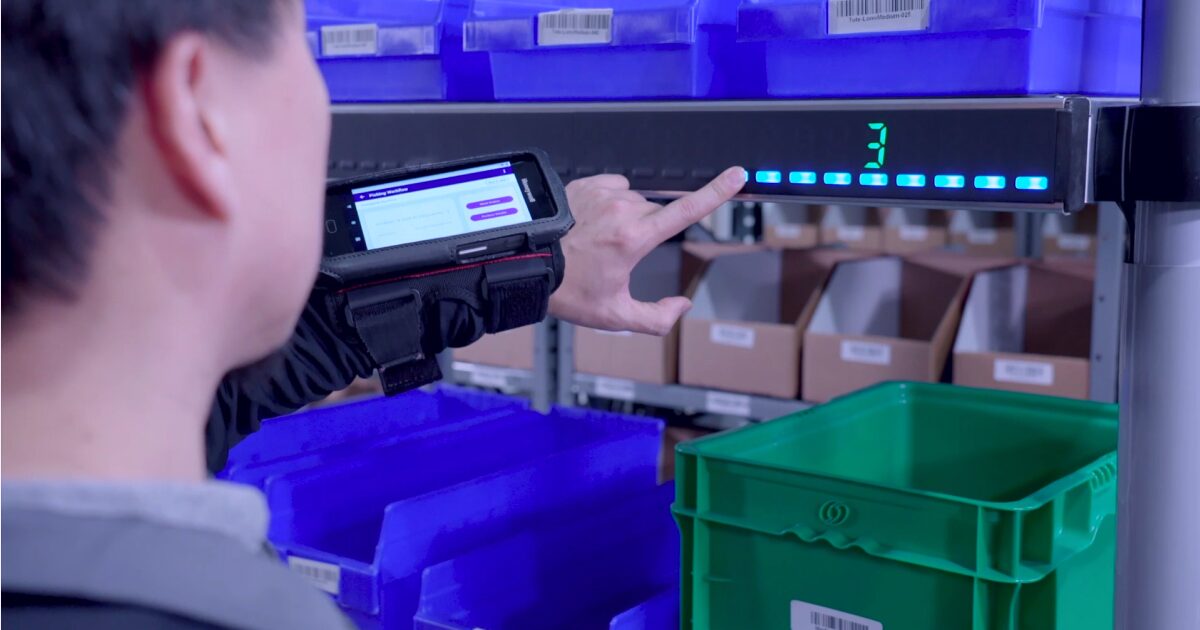
Meet Me automation intelligently divides tasks between human workers and robots, ensuring that each is performing the tasks they’re best suited for. Humans handle more complex, decision-based tasks, while robots like Lumabot focus on repetitive tasks such as picking and transporting goods. This division of labor improves efficiency and helps reduce worker fatigue. This model reflects how modern cobot models operate—supporting people while enabling more efficient fulfillment workflows.
Enhanced Collaboration
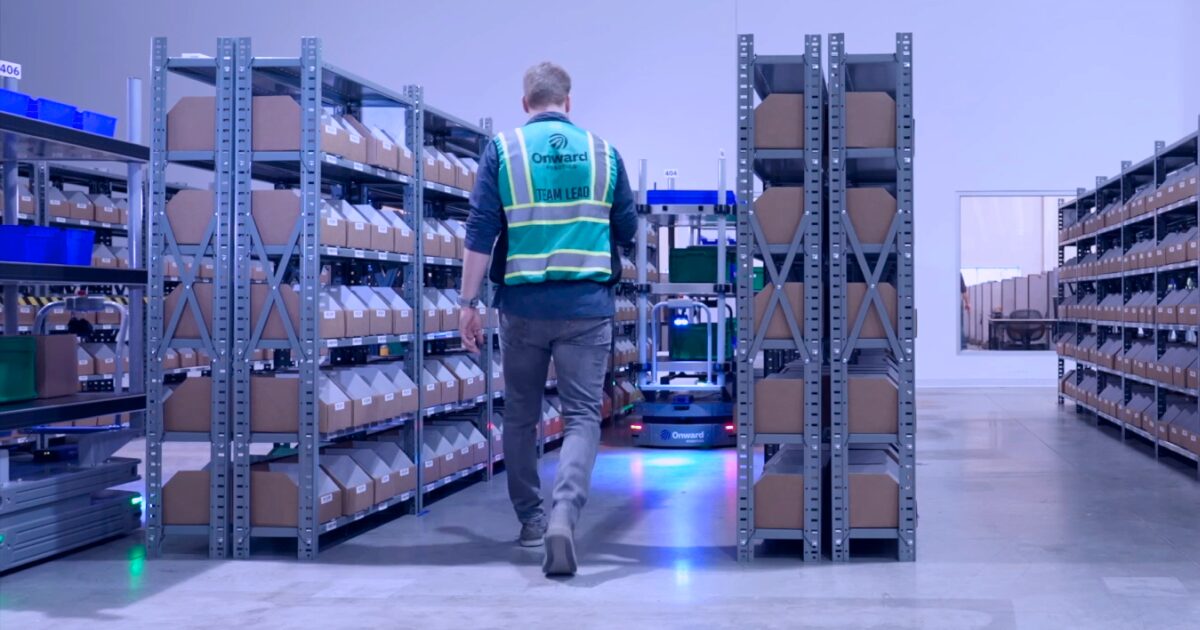
The solution is designed for seamless collaboration between workers and collaborative robots. When a human picker and Lumabot work together, they each have a clear role in the process.
While the robot transports items or brings them closer to the human operator, the picker can focus on more value-added responsibilities, such as organizing items or preparing orders for shipment. This type of human-robot interaction enables faster workflows while allowing workers to stay focused on complex tasks.
Optimized Route Planning
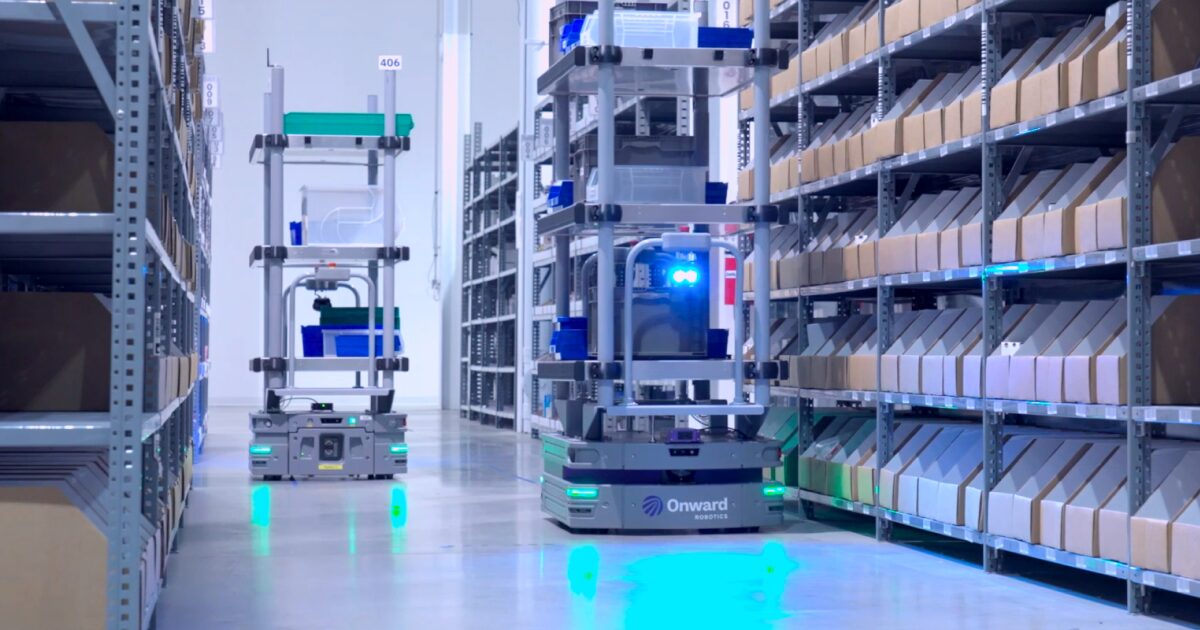
Meet Me automation uses advanced artificial intelligence algorithms to optimize the paths Lumabot takes within the warehouse. By calculating the most efficient routes, the system ensures that Lumabot avoids obstacles and minimizes unnecessary travel time. This intelligent orchestration helps coordinate different tasks between workers and robots in real time.
Real-Time Data for Continuous Improvement
The system collects and analyzes real-time data, providing valuable insights into the performance of both robots and human workers. This data enables warehouse managers to refine workflows, optimize material-handling processes, and continuously improve the way robots support employees in their daily tasks.
Scalability and Flexibility
Whether a warehouse is dealing with high seasonal demand or unexpected surges, Meet Me automation can scale with ease. The solution can quickly adjust workflows while maintaining safe collaboration between humans and machines operating in close proximity. This dynamic approach demonstrates the significant advantages of combining robotics and human expertise in fulfillment operations.
Key Advantages of Meet Me for Today's Warehouses
The integration of robot-human collaboration through Meet Me automation is not just a temporary fix for labor shortages—it’s a long-term strategy for optimizing fulfillment operations. With Lumabot working hand in hand with human pickers, warehouses can maintain high productivity, reduce operational costs, and improve worker safety.
Key advantages include:
- Reduced Dependency on Manual Labor: As the labor shortage continues, Meet Me automation allows businesses to reduce their dependency on manual labor without compromising on speed or accuracy.
- Improved Operational Efficiency: The collaboration between robots and humans accelerates the picking, sorting, and shipping processes, ensuring faster fulfillment times and better customer service.
- Long-Term Scalability: Meet Me automation is designed to grow with your business. It adapts to changes in demand and warehouse size, ensuring your operations can scale without a constantly expanding workforce.
The Future of Warehouse Operations is Collaborative
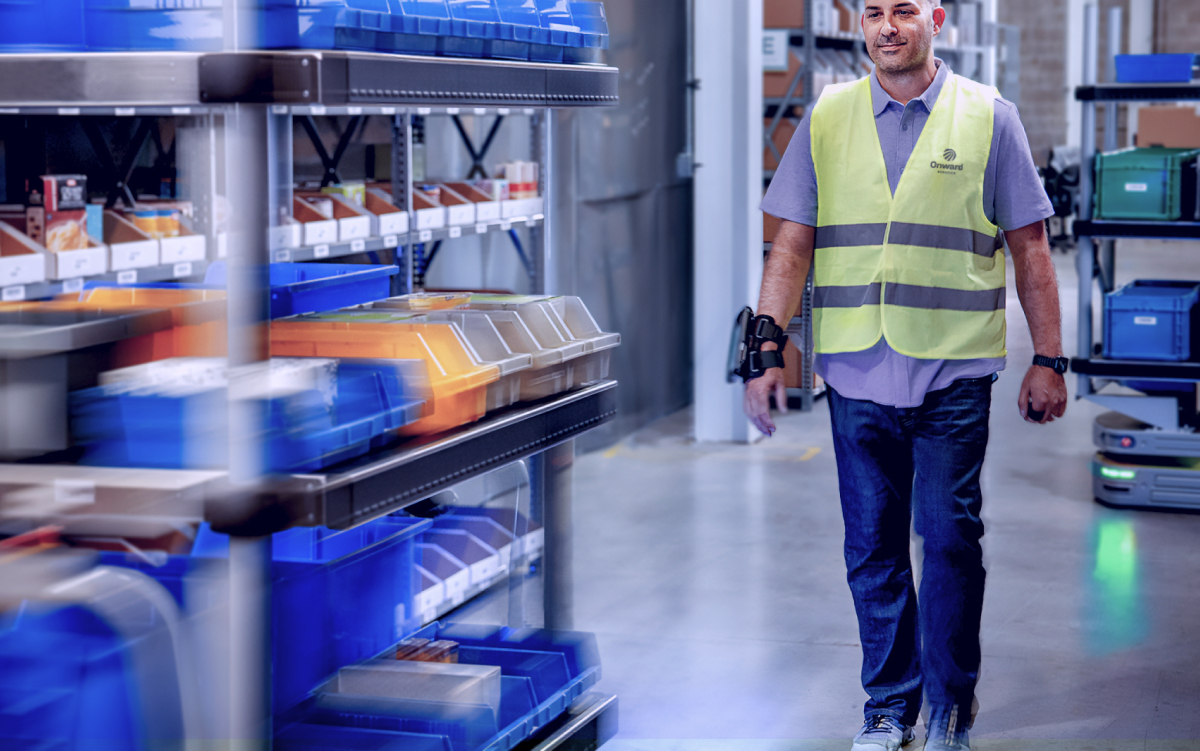
As the labor shortage continues to challenge the warehousing and distribution sectors, collaborative robot applications are proving to be a powerful solution. With Meet Me automation, Onward Robotics is leading the way in optimizing workflows and enhancing productivity through intelligent human-robot collaboration.
By implementing robotic systems like Lumabot and integrating them with human workers, businesses can reduce operational costs, improve workplace safety, and unlock the significant advantages of modern automation technologies. The future of warehouse operations is collaborative, and Meet Me automation is helping organizations coordinate humans, robots, and automation systems to deliver faster, more scalable fulfillment.
Common Questions About Collaborative Robots in Warehouses
Collaborative robots, or cobots, are robots designed to safely work alongside human workers in shared environments. In warehouses, collaborative robots assist with tasks such as picking, transporting goods, and supporting order fulfillment.
Collaborative robots automate repetitive tasks such as transporting items or supporting picking workflows. This allows human workers to focus on higher-value tasks while warehouses maintain productivity despite limited labor availability.
Yes. Collaborative robots are designed with advanced sensors and safety features that allow them to detect human presence and operate safely in close proximity to workers.
Collaborative robots can assist with order picking, material transport, sorting, inventory movement, and other repetitive warehouse processes.
No. Collaborative robots are designed to support human workers, not replace them. They handle repetitive or physically demanding tasks while humans manage decision-making and complex operations.
Don't miss the other valuable insights from our ProMat 2025 series: "Finding the Right Picking Solution to Boost Your Fulfillment Throughput" and "The Road to Faster Fulfillment." Together, these blogs provide a comprehensive roadmap for revolutionizing your warehouse operations with Meet Me automation—helping you coordinate people and robots for continuous, fast, and efficient fulfillment despite labor challenges.

 Glossary
 Blog
Blog